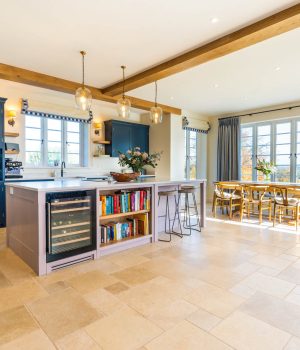
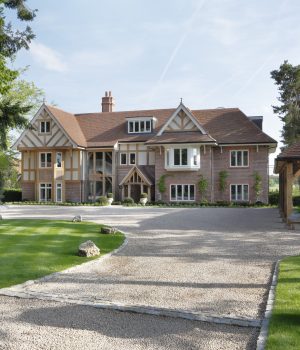
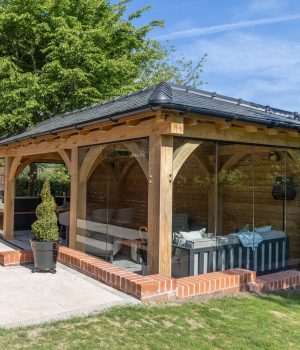
An oak frame build is one of the most characterful ways to create a home, extension or outbuilding. With exposed beams, natural materials and a sense of craftsmanship that is hard to replicate with standard construction, oak framing offers a timeless look that works beautifully in both traditional and contemporary settings.
But before you start planning your oak frame project, it is important to understand what is involved. An oak frame build is not just about choosing a beautiful structure. It requires careful design, realistic budgeting, planning awareness, technical coordination and the right team around you.
Whether you are considering a new oak frame house, an extension, garage, garden room, porch, annexe or outbuilding, this guide explains the key things you need to know before you build.
What is an oak frame build?
An oak frame build is a construction project that uses oak posts, beams, braces and joints as a major part of the building’s structure and character. Instead of hiding the main structure behind plasterboard or modern finishes, oak framing often celebrates the frame as a visible feature of the building.
The frame may form the skeleton of an entire house, or it may be used for a specific part of a project, such as a vaulted extension, entrance porch, garage, garden room or glazed gable. In many projects, the oak frame is combined with modern insulation, glazing, roofing and wall systems to create a building that feels traditional but performs to modern expectations.
The majority of oak frame buildings use green oak. Green oak is freshly cut oak that still contains a relatively high level of moisture. Over time, it naturally dries, shrinks and settles and develops cracks. This movement is part of the character of the material and is one of the reasons oak frame buildings feel so authentic and unique.
Why choose an oak frame building?
One of the main reasons people choose oak frame construction is the visual impact. Exposed oak beams can transform a space, adding warmth, depth and architectural interest. In homes and extensions, oak framing is often used to create vaulted ceilings, open-plan living areas, dramatic entrances and large glazed sections that connect the building to the landscape.
Oak is also chosen for its strength and longevity. It has been used in buildings for centuries, and well-designed oak frame structures can last for generations. When detailed correctly and protected from prolonged exposure to trapped moisture, oak is an exceptionally durable building material.
Another major benefit is design flexibility. Oak frames can look rustic and traditional, but they can also be crisp, clean and contemporary. They work well with brick, stone, render, timber cladding, glass and metal. This means an oak frame build can suit a countryside barn-style home, a modern glazed extension or a more understated outbuilding.
For many homeowners, sustainability is also part of the appeal. Oak is a natural material, and when sourced responsibly and used in a long-lasting structure, it can be part of a thoughtful approach to building. The key is to work with suppliers who understand timber sourcing, efficient design and good construction detailing.
What can you build with an oak frame?
Oak framing can be used for a wide range of residential and commercial projects. Some people choose oak for an entire self-build home, while others use it to add character to a specific part of an existing property.
Common oak frame projects include:
- Oak frame houses
- Oak frame extensions
- Oak garages and carports
- Oak porches
- Garden rooms and home offices
- Pool houses
- Annexes and guest accommodation
- Barn-style buildings
- Outdoor kitchens and entertaining spaces
- Commercial or hospitality buildings
The right design will depend on your site, budget, intended use and planning position. A small oak porch may be relatively straightforward, while a full oak frame home will involve a much more detailed design, engineering and construction process.
What should you decide before starting?
Before approaching an oak frame supplier or designer, it helps to have a clear idea of what you want the building to achieve.
Start with the purpose of the building. Is it a main home, a kitchen extension, a garage, a garden office, a guest annexe or a leisure space? The intended use will influence the size, layout, insulation, glazing, heating, services, planning requirements and overall budget.
Next, think about the way you want to use the space. Consider room sizes, ceiling heights, storage, circulation, natural light, access and how the new building will connect to the existing house or garden. Oak frame buildings often work best when the structure is part of the design from the beginning, rather than added as a decorative feature later.
You should also consider how involved you want to be in the process. Some clients want a supply-only oak frame package that their builder can install. Others want design, manufacture and installation from one specialist. Some projects may involve an architect, structural engineer, planning consultant, main contractor and oak frame company working together.
Being clear on this early can help avoid confusion later.
Do you need planning permission for an oak frame build?
Planning permission depends on the type of project, its size, use, location and relationship to the existing property. A new oak frame house will normally require planning permission. Extensions, garages, garden rooms and outbuildings may also require permission, although some smaller projects may fall under permitted development rights.
However, permitted development is not automatic in every case. The rules can be affected by height, footprint, position, roof form, materials, previous extensions and the use of the building. There may also be additional restrictions if your property is listed, in a conservation area, in a national park, in an Area of Outstanding Natural Beauty, on green belt land or subject to previous planning conditions.
It is always worth checking your position before committing to detailed design or manufacture. Your local planning authority, architect or planning consultant can help confirm what is likely to be required.
It is also important to remember that planning permission and Building Regulations are separate. A project may not need a full planning application but may still need to comply with Building Regulations.
What Building Regulations apply to oak frame buildings?
Building Regulations set standards for how buildings are designed and constructed. They cover areas such as structure, fire safety, insulation, ventilation, drainage, glazing, electrical safety, access, energy performance and protection from moisture.
For an oak frame build, Building Regulations are particularly important because the frame needs to work as part of the whole building system. The oak structure must be coordinated with the foundations, roof, walls, glazing, insulation and any adjoining structures.
Structural calculations may be needed to show that the frame can safely carry the relevant loads. These calculations may consider roof loads, wind loads, spans, bracing, connections and how the oak frame interacts with the rest of the building.
Building Control may also inspect the project at different stages. This could include foundations, drainage, structural work, insulation, fire safety measures and completion. The exact process will depend on the type and scale of project.
A good oak frame specialist should be able to work alongside your architect, engineer, builder and Building Control team to make sure the frame is properly designed and coordinated.
How much does an oak frame build cost?
There is no single cost for an oak frame build because every project is different. The final price will depend on the size of the building, complexity of the frame, amount of oak required, design detail, glazing, roof structure, insulation system, site conditions and level of service.
A supply-only oak frame package will cost less than a full design, manufacture and installation service. A simple oak porch or garage will be very different from a full oak frame home with complex roof forms, large glazed elevations and high-end finishes.
When budgeting, it is important to look beyond the frame itself. Your total project cost may include:
- Design and architectural fees
- Planning drawings and applications
- Surveys and reports
- Structural engineering
- Groundworks and foundations
- Oak frame design and manufacture
- Delivery and lifting equipment
- Frame installation
- Roofing
- External walls or infill panels
- Glazing
- Insulation and airtightness work
- Drainage and services
- Plumbing and electrics
- Internal finishes
- Landscaping
- Contingency
Some of the biggest cost drivers are large spans, complex roof shapes, extensive glazing, bespoke detailing, difficult site access and high specification finishes.
For most projects, the best way to get an accurate idea of cost is to speak to an oak frame supplier with drawings, sketches, approximate dimensions or a clear brief. Even at an early stage, a specialist can often explain what is realistic for your budget and where costs are likely to sit.
How long does an oak frame build take?
The visible oak frame can often be erected quickly once it arrives on site, but the full project timeline is much longer than the frame installation itself.
A typical oak frame build may include several stages:
- Initial enquiry and brief
- Concept design
- Site visit or feasibility review
- Budget estimate or quotation
- Planning drawings and application, if required
- Technical design and structural engineering
- Frame manufacture
- Groundworks and foundations
- Frame delivery
- Frame erection
- Roofing, walls and glazing
- Services and internal works
- Final finishes and completion
The timescale will depend on planning, design revisions, engineering, supplier lead times, contractor availability, site access and weather. Larger or more bespoke projects naturally take longer to design and deliver.
The key is to involve your oak frame supplier early. This allows the frame design to be coordinated with the wider build, rather than trying to adapt everything once the project is already underway.
Designing an oak frame building
A successful oak frame build starts with good design. The best projects are designed around the frame, not simply decorated with oak afterwards.
The position of posts, beams and braces will affect the layout of the building. It can influence where walls, doors, windows, furniture and staircases can go. In open-plan spaces, the frame can help define different zones while still allowing the room to feel connected and spacious.
Ceiling height is another important consideration. Oak frames are often chosen for vaulted ceilings and dramatic roof spaces, but these need to be designed carefully. The roof structure, insulation, lighting, ventilation and glazing all need to work together.
Glazing is especially important in many oak frame buildings. Large glazed gables, rooflights and full-height windows can make the most of views and natural light. However, they must also be balanced with privacy, solar gain, overheating risk, heat loss and Building Regulations.
You should also decide whether you want the building to feel traditional, contemporary or somewhere in between. Traditional oak frames may include visible pegged joints, curved braces and a rustic finish. Contemporary designs may use cleaner lines, simpler detailing and large areas of glass.
Site preparation before the oak frame arrives
Good site preparation is essential. Oak frames are made to specific dimensions, so foundations and supporting structures need to be accurate and ready before the frame is delivered.
The foundations should be properly set out, level and built to the required tolerances. Any errors at this stage can create problems during installation. It is much easier to correct issues before the frame arrives than once the oak is on site.
Access is another key point. Oak beams can be large and heavy, so delivery vehicles, cranes, telehandlers or other lifting equipment may be needed. Narrow lanes, soft ground, steep driveways, overhead cables and restricted turning space can all affect delivery and installation.
You should also think about temporary storage. Depending on the project, the frame components may need a safe, dry and accessible area before they are erected. The site should be organised so that the installation team can work efficiently and safely.
Coordination with other trades is also vital. Groundworkers, builders, roofers, glaziers, electricians, plumbers and decorators may all be involved at different stages. Clear communication helps prevent delays and reduces the risk of mistakes.
Insulation, energy efficiency and weatherproofing
An oak frame can be combined with modern building systems to create a warm, efficient and comfortable building. The oak provides the structural character, while the walls, roof, glazing and insulation determine much of the building’s thermal performance.
Common approaches include structural insulated panels, timber frame infill, masonry, insulated roof panels and hybrid systems. The right method will depend on the design, budget, planning requirements and performance targets.
Airtightness and detailing are particularly important. Junctions around beams, roof structures, glazing and walls need to be carefully designed to reduce heat loss and avoid unwanted draughts. Poor detailing can lead to condensation, cold spots or reduced energy performance.
Heating and ventilation should also be considered early. Underfloor heating, heat pumps, MVHR systems, wood burners and natural ventilation may all be options depending on the project. The best results come when the oak frame, insulation, glazing, heating and ventilation are designed as one system.
Will green oak move or crack?
Yes, green oak naturally moves as it dries. This is a normal part of oak frame construction.
As the oak loses moisture, it may shrink slightly, twist, open up around joints or develop surface cracks. These cracks are known as checks and are usually expected. They do not normally affect the structural performance of the frame when the building has been properly designed and engineered.
For many people, this movement is part of the appeal. It gives the frame character and shows that the oak is a natural material rather than a manufactured product.
However, it is important that this movement is allowed for in the design. Glazing, plaster, finishes and junctions need to be detailed correctly so the building can accommodate natural movement without causing problems.
Common mistakes to avoid
One of the most common mistakes is leaving the oak frame design too late. If the structure is not considered until after the layout, roof and openings have already been fixed, you may miss opportunities or create unnecessary complications.
Another mistake is budgeting only for the oak frame. The frame is just one part of the overall project. Foundations, walls, roofing, glazing, services, finishes and professional fees can make up a significant part of the total cost.
Planning assumptions can also cause issues. Some homeowners assume their project will fall under permitted development, only to discover later that restrictions apply. Always check before starting work.
Poor site access planning is another common problem. Oak frame components need to be delivered and lifted safely. If access is restricted, this should be identified early so the right installation method can be planned.
Finally, avoid choosing a supplier on price alone. Oak frame construction requires specialist knowledge. The quality of the design, engineering, oak selection, jointing, manufacture and installation will all affect the final result.
How to choose an oak frame supplier
Choosing the right oak frame supplier is one of the most important decisions you will make.
Start by looking at experience. Has the company completed projects similar to yours? Do they understand the type of building you want to create? Can they show examples of previous work?
Next, consider the level of support they provide. Some suppliers only manufacture the frame, while others offer design, drawings, structural coordination, installation and advice throughout the project. Make sure you know exactly what is included.
Quality of craftsmanship is also essential. Ask how the oak is selected, how the joints are made, whether the frame is pre-cut in a workshop, and how the structure is checked before delivery.
You should also ask practical questions such as:
- What type of oak do you use?
- Do you provide design drawings?
- Can you work with my architect or builder?
- Do you provide structural calculations?
- Is installation included?
- What does the quote include and exclude?
- What are the lead times?
- What needs to be ready on site?
- Do you provide aftercare advice?
A good supplier should be open, clear and realistic. They should help you understand the process, not just sell you a frame.
Is an oak frame build right for you?
An oak frame build could be right for you if you value natural materials, visible craftsmanship and long-term character. It is especially well suited to people who want a building with warmth, individuality and architectural presence.
Oak framing is ideal for open-plan living spaces, vaulted ceilings, glazed extensions, barn-style homes, statement entrances and high-quality outbuildings. It can add a sense of permanence and quality that many modern materials struggle to achieve.
However, oak frame construction may not be right for every project. It requires careful planning, realistic budgeting and proper technical coordination. If your main priority is the lowest possible build cost or the fastest possible construction route, another method may be more suitable.
The best approach is to speak to an oak frame specialist early. Even if you only have a rough idea, a sketch or a few inspiration images, early advice can help you understand what is possible.
Frequently asked questions
Is an oak frame expensive?
Oak frame buildings can cost more than some standard forms of construction, but the final cost depends on the size, design, specification and level of service. A small porch or garage will be very different from a full oak frame house. The best way to understand cost is to request a tailored quotation based on your project.
Does an oak frame need planning permission?
Some oak frame projects need planning permission and some may fall under permitted development rights. New homes usually require planning permission. Extensions, outbuildings and garages depend on size, use, location and other restrictions. Always check with your local planning authority or a planning professional before starting work.
Will green oak crack?
Yes. Green oak naturally dries over time and often develops surface cracks known as checks. This is normal and part of the character of an oak frame. When properly designed, this movement should be allowed for.
Can oak frame buildings be energy efficient?
Yes. Oak frame buildings can be highly energy efficient when combined with good insulation, quality glazing, airtightness detailing and suitable heating and ventilation systems.
How long does an oak frame last?
A well-designed and well-maintained oak frame can last for generations. Oak has been used in traditional buildings for centuries and remains one of the most durable natural building materials.
Can I use oak frame for an extension?
Yes. Oak frame is commonly used for extensions, especially kitchen extensions, garden rooms, glazed links and vaulted living spaces. It can add character and light while creating a strong connection between the home and garden.
Can an oak frame look modern?
Yes. Oak frame construction can be traditional or contemporary. Modern oak frame buildings often combine exposed oak with glass, steel, render or minimalist detailing.
Final thoughts
An oak frame build can be a beautiful, durable and highly individual way to create a home, extension or outbuilding. It offers natural character, structural presence and a sense of craftsmanship that can completely transform a space.
However, the most successful oak frame projects are carefully planned from the start. Before you build, think about your budget, design, planning position, Building Regulations, site access, insulation strategy and choice of supplier.
If you are considering an oak frame build, the best next step is to speak to an experienced oak frame specialist. With the right advice early on, you can understand what is possible, avoid common mistakes and create a building that will stand the test of time.
Planning an oak frame build? Get in touch with our team to discuss your ideas, drawings or site. We can help you understand the options, process and next steps before you commit.